
TL;DR:
- Estate planning expenses include fees for wills, trusts, LPAs, and probate, which can total thousands over a lifetime. Costs vary widely based on estate complexity, with simple plans starting under £200 and complex arrangements reaching several thousand pounds. Proper budgeting and regular reviews help avoid unexpected expenses and ensure effective estate management.
Estate planning expenses to anticipate include fees for will preparation, trust setup, Lasting Powers of Attorney, probate administration, and ongoing document reviews. In England and Wales, simple wills cost from £150 to £600 and trusts from £500 to £3,000, depending on complexity. These figures represent only the starting point. Probate, tax advice, asset transfers, and periodic updates can add thousands more over the lifetime of an estate plan. Understanding the full picture before you begin means you can budget with confidence rather than face unwelcome surprises when it matters most.
1. The main estate planning documents and their fees
The costs of estate planning are shaped first by which documents you need. Each document carries its own fee structure, and selecting the right combination for your circumstances is the foundation of sensible budgeting.
- Simple will: A straightforward single will typically costs between £150 and £600 with a solicitor. Mirror wills for couples (two wills with reciprocal provisions) usually fall in the £250 to £900 range. Online will services can start well under £100, though complex estates benefit from professional advice.
- Discretionary or property protection trust: Trust setup costs range from £500 to £3,000 depending on the type and complexity. A simple bare trust sits at the lower end; a discretionary trust with tax planning provisions sits at the higher end.
- Lasting Power of Attorney (LPA): There are two types, one for property and financial affairs and one for health and welfare. The Office of the Public Guardian registration fee is £82 per LPA (as of 2026), and solicitor fees for drafting typically add £90 to £200 per document.
- Healthcare directives and advance decisions: An advance decision to refuse treatment (sometimes called a living will) can be drafted without a solicitor, though professional review costs £50 to £150 and provides greater legal certainty.
- Letter of wishes: This non-binding document guides executors and trustees and is often prepared alongside a will at little or no additional cost.
Legal fees are charged either as flat fees or on an hourly basis. Solicitors in England and Wales typically charge £200 to £450 per hour, with rates higher in London and other major cities. Flat fees offer predictability and are generally preferable for straightforward plans.
Pro Tip: Request a written fee agreement before instructing any solicitor or estate planner. Ask specifically whether the quoted fee covers the full drafting process or whether additional charges apply for revisions, meetings, or registration.
2. How estate complexity drives your costs
Estate complexity is the single greatest driver of anticipated estate planning fees. Two families with similar asset values can face very different bills depending on their circumstances.
- Property ownership structure. A couple who own their home as tenants in common rather than joint tenants may need additional trust provisions in their wills to protect each partner's share. This adds drafting time and cost.
- Multiple properties or overseas assets. Each additional property, particularly one held abroad, introduces separate legal considerations and potentially foreign legal fees.
- Blended families. Where one or both partners have children from previous relationships, wills must balance competing interests carefully. Solicitors typically charge more for these plans because of the additional drafting complexity and the risk of claims under the Inheritance (Provision for Family and Dependants) Act 1975.
- Business interests. Business owners need to consider Business Property Relief under the Inheritance Tax Act 1984 and may require shareholder agreements or business succession clauses, each adding to the overall cost.
- Special needs beneficiaries. A disabled child or dependent relative may require a discretionary trust with a letter of wishes, specialist legal drafting, and potentially an ongoing trustee arrangement.
- Inheritance Tax planning. Estates approaching or exceeding the £325,000 nil-rate band or the £175,000 residence nil-rate band (as set by HMRC) benefit from structured tax advice. This advice is charged separately and can add £500 to £2,000 or more to the overall bill.
Estate planning costs vary by complexity, life stage, and location, with young adults potentially spending £150 to £600 on basics while complex plans scale to several thousand pounds. The practical implication is clear: the earlier you plan, the simpler and cheaper your estate plan is likely to be.
3. Probate and administration expenses to budget for
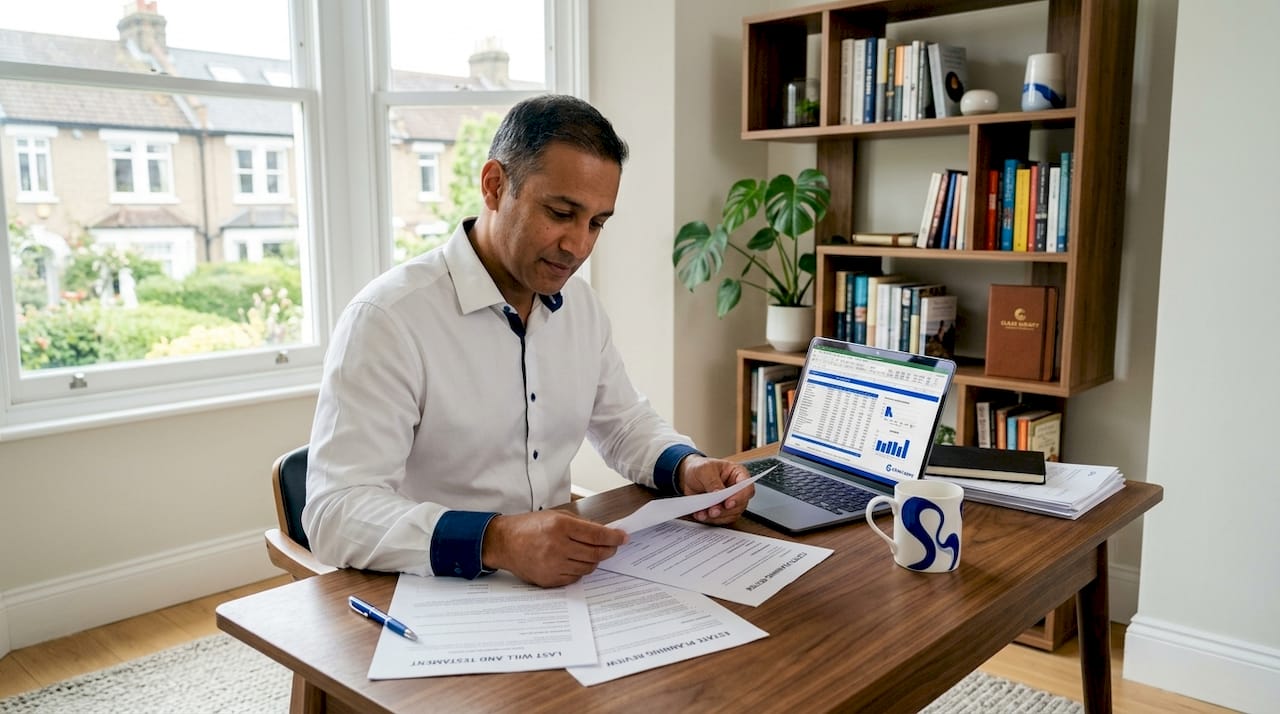
Probate is the legal process by which a deceased person's estate is administered and distributed. It is one of the largest and most frequently underestimated estate planning expenses, and understanding it in advance allows you to take steps to reduce it.
Probate can consume 2% to 7% of a gross estate's value in England and Wales, covering legal fees, executor fees, court filing fees, and appraisals. For a £500,000 estate, that translates to approximately £10,000 to £35,000 in administration costs. The table below illustrates how these figures scale.
| Estate value | Estimated probate cost range (2% to 7%) |
|---|---|
| £200,000 | £4,000 to £14,000 |
| £350,000 | £7,000 to £24,500 |
| £500,000 | £10,000 to £35,000 |
| £750,000 | £15,000 to £52,500 |
The main categories of probate expense are as follows.
Probate court fees. The current application fee for estates over £5,000 is £300 (as of 2026), payable to HM Courts and Tribunals Service.
Solicitor or probate specialist fees. These are charged either as a percentage of the estate (typically 1% to 2%) or at an hourly rate. Fixed-fee probate services, such as those offered by Clearlegacy from £495, provide a more predictable alternative.
Estate valuation and appraisal costs. Property valuations, business valuations, and specialist appraisals for art or jewellery are charged separately. A residential property valuation typically costs £150 to £500.
Accounting and tax filing. Where an estate is liable for Inheritance Tax under the Inheritance Tax Act 1984, an accountant or tax adviser may be needed to prepare the IHT400 return. Fees for this service range from £500 to £2,000 depending on complexity.
Avoiding probate through trusts and beneficiary designations can save significant fees and reduce stress for executors and beneficiaries. You can use our probate fees calculator to estimate costs for your specific estate.
4. Hidden and ongoing costs after your plan is drafted
Many people treat estate planning as a one-off exercise. The reality is that ongoing costs can include retainers or fees for updates after major life changes such as marriage, divorce, the birth of a child, or a property sale. These are the costs that catch families off guard.
The most common ongoing and hidden expenses include:
- Document review and revision fees. Solicitors typically charge £100 to £300 per revision for a will or trust update. If you experience two or three significant life events over a decade, these fees accumulate quickly.
- Trust administration and funding costs. Trusts require periodic revisions and active administration; budgeting for these ongoing activities is necessary to avoid surprises. Annual trustee fees, where a professional trustee is appointed, can range from £500 to £2,000 per year.
- Asset retitling and trust funding. Implementation support such as asset retitling and trust funding is a frequently overlooked part of estate planning costs. Transferring property into a trust, for example, requires a deed of transfer and Land Registry fees, which add £200 to £500 per property.
- Notary and deed transfer fees. Where documents require notarisation or property transfers are involved, additional fees apply. These are rarely included in initial solicitor quotes.
- Financial adviser and tax professional consultations. Periodic reviews with an Independent Financial Adviser or tax specialist, particularly as HMRC thresholds change, typically cost £150 to £300 per hour.
Pro Tip: Set a calendar reminder to review your estate plan every three to five years, or immediately after any major life event. Treating this as a scheduled cost, rather than a reactive one, keeps fees manageable and your plan legally current.
Key takeaways
Effective budgeting for estate planning requires understanding costs across four areas: document preparation, estate complexity, probate administration, and ongoing maintenance.
| Point | Details |
|---|---|
| Document fees vary widely | Simple wills start at £150; trusts can reach £3,000 depending on type and complexity. |
| Complexity multiplies costs | Blended families, business interests, and tax planning each add significant fees to the base price. |
| Probate is the largest hidden cost | Probate can consume 2% to 7% of an estate's value; proactive planning with trusts reduces this substantially. |
| Ongoing costs are real | Trust administration, document reviews, and asset transfers add hundreds to thousands of pounds over time. |
| Fixed fees offer predictability | Choosing flat-fee services for wills and probate removes the uncertainty of hourly billing. |
Why I think most people underestimate estate planning costs
The most common mistake I see is treating estate planning as a single transaction rather than a process. Families focus on the upfront will or trust fee, sign the documents, and consider the job done. Then, five years later, a second marriage, a new property, or a change in HMRC thresholds means the plan is out of date, and the cost of putting it right is higher than the original drafting fee.
The other issue is that understanding the factors driving prices matters far more than fixating on a single number. Two families can pay very different amounts for what looks like the same service, simply because one has a blended family structure and the other does not. Asking the right questions upfront, specifically about what is and is not included in a fee, prevents the most frustrating surprises.
My honest view is that the cost of getting estate planning right is almost always lower than the cost of getting it wrong. Probate disputes under the Inheritance (Provision for Family and Dependants) Act 1975 can cost tens of thousands of pounds in legal fees alone. A well-drafted will and a properly funded trust turn what could be a protracted legal dispute into a straightforward administration process. That is worth paying for. The goal is not to spend as little as possible; it is to spend wisely, with a clear understanding of what each pound buys you.
For straightforward estates, estate planning without a solicitor is a genuinely viable option, and the savings are real. For complex estates, cutting corners on professional advice is a false economy.
— Sat
Start your estate plan with clear, fixed pricing
If you are ready to take the first step without the uncertainty of hourly solicitor fees, Clearlegacy makes the process straightforward. Wills start from £69, are completed in around 15 minutes, and are delivered by email within 24 hours. Every document is reviewed by a qualified estate planner and is legally valid under the Wills Act 1837. There are no hidden fees and no surprise invoices.

Over 100 UK families have already used Clearlegacy to protect their estates with confidence. Whether you need a single will or a mirror will for you and your partner, you can write your will online today and have it in your inbox tomorrow. For those comparing options, our online will writing service page sets out exactly what is included at every price point.
FAQ
How much does estate planning cost in the UK?
Estate planning costs in England and Wales range from £150 for a simple will to several thousand pounds for a complex plan involving trusts and tax advice. Costs vary by complexity, life stage, and location, so the best approach is to identify which documents you need before requesting quotes.
What are the main probate expenses to anticipate?
Probate expenses in England and Wales typically include a £300 court fee, solicitor or probate specialist fees, property valuations, and potentially an accountant for Inheritance Tax returns. In total, probate can cost 2% to 7% of the estate's gross value.
Are there hidden costs in estate planning I should know about?
Yes. The most common hidden costs are trust funding and asset retitling fees, periodic document review charges after life events, and annual trustee fees where a professional trustee is appointed. Funding trusts and updating beneficiary designations are key steps that are frequently unaccounted for in initial cost estimates.
Can I reduce estate planning expenses with an online will service?
Online will services can cost less upfront and are suitable for straightforward estates. For complex situations involving trusts, blended families, or significant assets, professional solicitor advice remains the more reliable option despite the higher cost.
How often should I update my estate plan, and what does it cost?
Most estate planners recommend reviewing your plan every three to five years or after any major life event. Solicitor revision fees typically range from £100 to £300 per update, making periodic reviews a manageable and worthwhile ongoing expense.